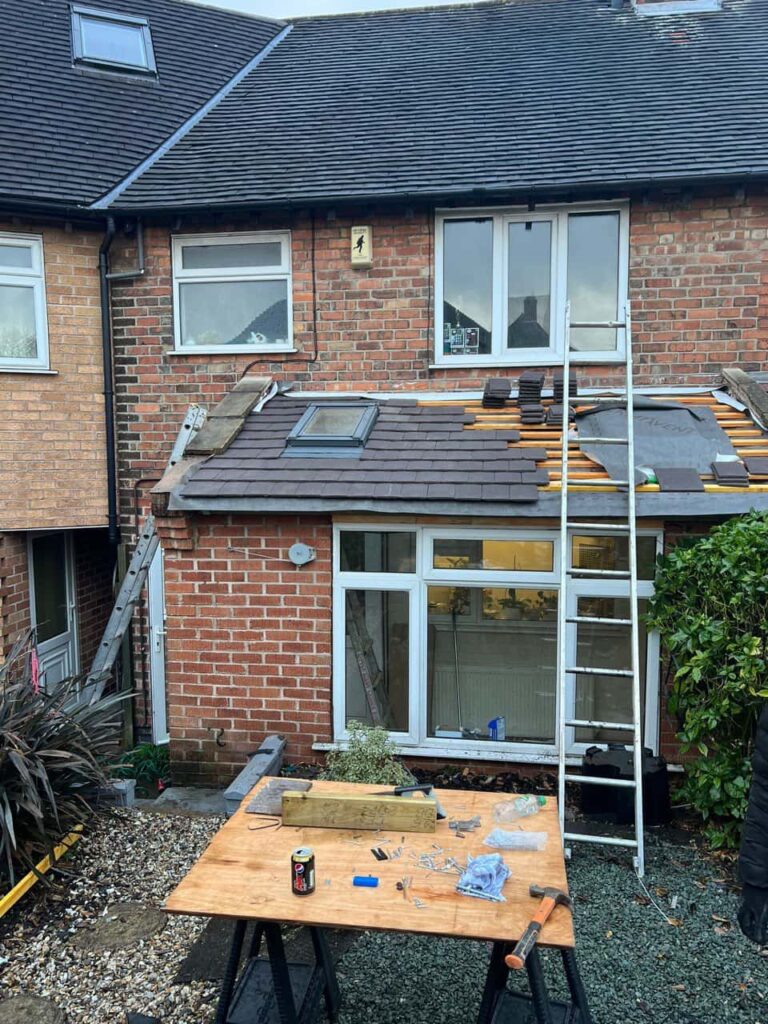
An isolated roofing defect can often be resolved through a straightforward repair. A cracked tile, small flashing fault or localised section of damaged felt does not necessarily indicate that the wider roof is failing.
The situation becomes more significant when minor problems continue to appear. For property owners in Haddenham, Cambridgeshire, a pattern of separate repairs may suggest that the roof should be assessed as a complete system. This can reveal whether the faults are genuinely unrelated or symptoms of a broader underlying issue.
When Repeated Repairs Point to a Wider Roofing Problem
The number of repairs alone does not determine whether extensive work is needed. Their location, frequency and causes are more informative.
Several problems arising in a short period, particularly across different parts of the roof, can indicate general deterioration affecting the covering, fixings, underlay or supporting materials. A thorough assessment helps establish whether further targeted repairs remain appropriate.
The Same Leak Keeps Returning
A recurring leak is one of the clearest reasons to reassess the roof more widely. Water may be entering through a nearby defect that was not identified during the original repair, or it may be travelling beneath the covering before becoming visible indoors.
Repeated moisture in the same area can also indicate deterioration beneath the surface. Damaged underlay, decayed battens or weakened roof decking will not necessarily be corrected by sealing the latest visible opening.
A wider investigation should trace the water’s path rather than focusing only on the ceiling mark.
New Problems Develop in Different Areas
Occasional defects can occur independently, especially after severe weather. However, tiles slipping on several slopes, flashing failing at multiple junctions or leaks appearing in different rooms can suggest that the roof is deteriorating more generally.
Possible underlying causes include:
- ageing or corroded fixings
- widespread tile or slate deterioration
- brittle or torn underlay
- weakened timber battens
- failing mortar around ridges and verges
- movement at roof junctions
- deterioration across an older flat roof covering
When these materials are reaching a similar stage of wear, repairing each symptom separately may provide only temporary stability.
Repairs Are Needed More Frequently
The time between defects is important. A repair completed several years after a previous, unrelated issue may not be concerning. New faults arising every few months deserve closer attention.
Increasing repair frequency can mean that the surrounding roofing materials are no longer providing a dependable base for local work. One repaired section may remain sound while an adjoining area begins to fail.
Recording when problems occur and which parts of the roof were affected can help reveal this pattern during a professional assessment.
Previous Repairs Are Beginning to Fail
A roof may contain repairs completed at different times using different materials or methods. While this is not automatically a problem, numerous ageing patches can make the roof increasingly difficult to maintain.
Movement between old and new materials may cause joints to open, while repeated surface sealing can obscure the original cause of water ingress. If several earlier repairs begin to deteriorate at once, the surrounding roof should be examined before further patching is undertaken.
The aim is to determine whether the repairs themselves have failed or whether deterioration elsewhere is placing them under additional stress.
Several Components Show Signs of Wear
A roofing system relies on more than its visible covering. Tiles or slates must work with fixings, battens, underlay, flashing, valleys, ridges and drainage details.
A larger assessment is sensible when defects affect several of these components. For example, slipped tiles combined with deteriorated ridge mortar and damp underlay may indicate a more extensive problem than any one symptom suggests.
Visible warning signs can include:
- repeated damp patches on ceilings or upper walls
- numerous cracked, loose or missing tiles
- sagging or uneven sections
- fragments of roofing material in gutters
- daylight visible from the roof space
- widespread dampness beneath the covering
- recurring defects around chimneys, valleys or abutments
No single sign confirms that the complete roof requires replacement, but several occurring together justify detailed investigation.
Storm Damage Reveals Existing Weaknesses
Strong wind and persistent rain often expose areas that were already deteriorating. A storm may displace the weakest tiles, disturb worn flashing or force water through small gaps.
If repairs are repeatedly required after ordinary spells of bad weather, the roof may no longer be resisting exposure as effectively as intended. The immediate storm damage should be repaired, but the surrounding materials should also be assessed for similar vulnerability.
This helps distinguish a one-off event from a pattern caused by gradual deterioration.
Internal Moisture Appears Beyond the Original Area
Water entering at one point can travel along underlay, timbers or insulation before becoming visible. A small external defect may therefore affect a much wider internal area.
New staining in adjoining rooms, damp insulation or discolouration across several timbers can indicate that moisture has spread beyond the latest visible leak. In these circumstances, the assessment should include accessible areas within the roof space as well as the external covering.
Finding the full extent of moisture exposure is essential when deciding what work is required.
What a Bigger Roof Assessment Should Establish
A comprehensive assessment should examine the condition of the roof as a whole while paying particular attention to its repair history.
It should determine:
- whether previous defects share a common cause
- whether damage is localised or widespread
- how well the surrounding materials are performing
- whether water has affected concealed components
- whether further repairs can provide lasting protection
- whether a more extensive roofing solution should be considered
A bigger assessment does not automatically lead to replacement. Its purpose is to establish the most appropriate response based on evidence rather than continuing with disconnected repairs.
Conclusion
A series of small roof repairs should trigger a broader assessment when leaks return, defects appear more frequently, several roof areas are affected or previous work begins to fail. These patterns can indicate deterioration extending beyond the latest visible problem.
If your roof in Haddenham, Cambridgeshire requires repeated attention, Haddenham Roofing Repairs can inspect the covering, junctions and accessible supporting components to identify the underlying cause. Contact our team to arrange a professional roof assessment and receive clear guidance on the most suitable next step.
Call us on: 01844 396 698
Click here to find out more about Haddenham Roofing Repairs
Click here to complete our contact form and see how we can help with your roofing needs.